
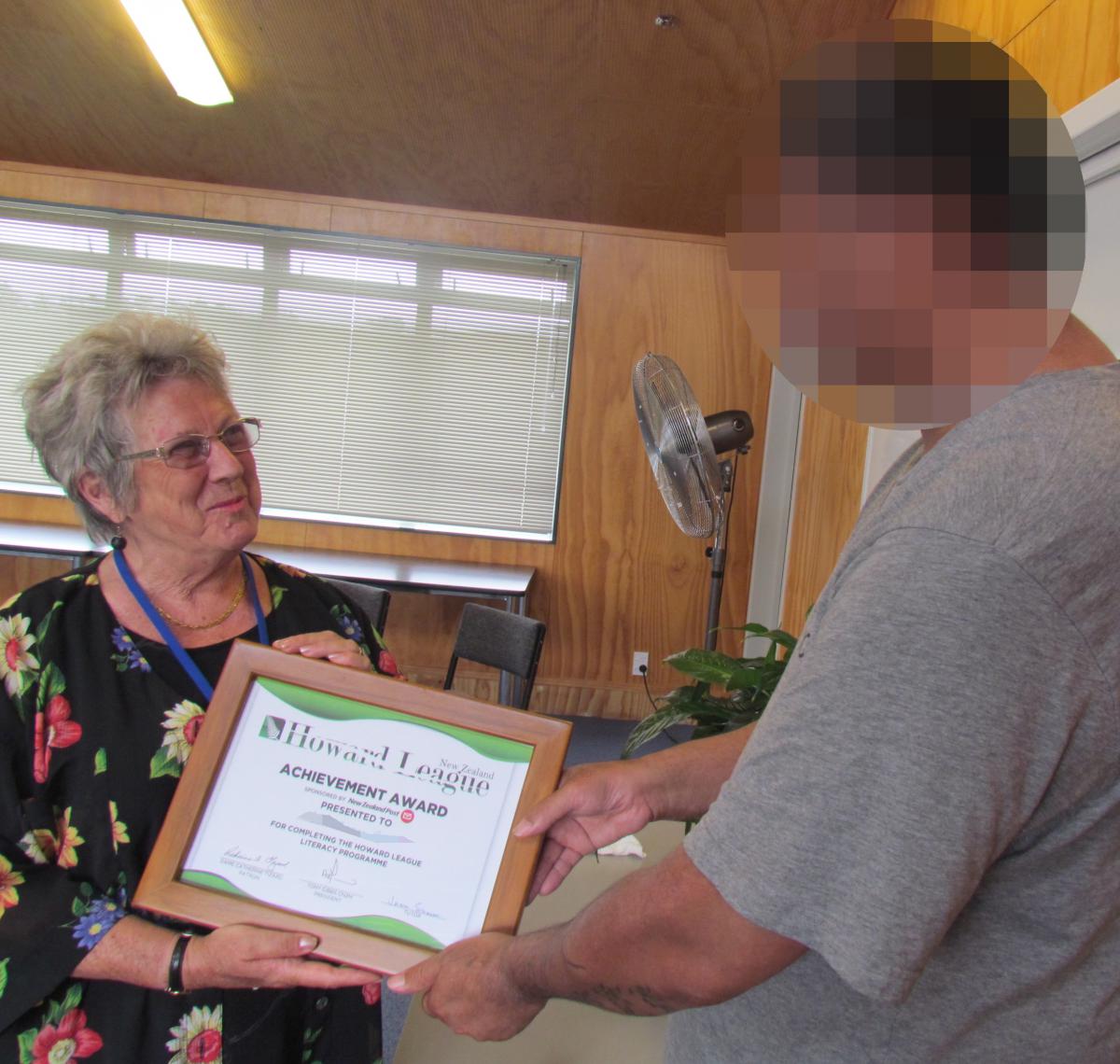
If you’re looking for something real to give your time to, volunteering with incarcerated learners deserves a serious look.
There is a special moment many of our volunteers who work with incarcerated learners experience during their first session inside.
It is not the security checks or the sound of the doors, or even the nerves beforehand.
It is the moment a learner realises they can do something they didn’t think they could.
That moment is why we do this work. If you’re looking for something real to give your time to, volunteering with incarcerated learners deserves a serious look.
A different kind of classroom
Our volunteers:
- give literacy and numeracy support
- mentor learners in structured study programmes
- work on programmes such as creative learning, digital literacy and life-skills preparing someone for release.
No two sites and no two placements look the same.
You may be helping a learner build confidence in their reading. Or working on a numeracy module standing between them and a qualification they’ve strived towards for months.
In some cases, you’ll be paired with a single learner for the duration of a course. You’ll walk alongside as they work towards goals that can genuinely expand their opportunities when they return to the community.
Or you might share your own expertise, skills, knowledge, or life experience that helps learners progress on their educational journey.
You are there because a learner asked to be there too.
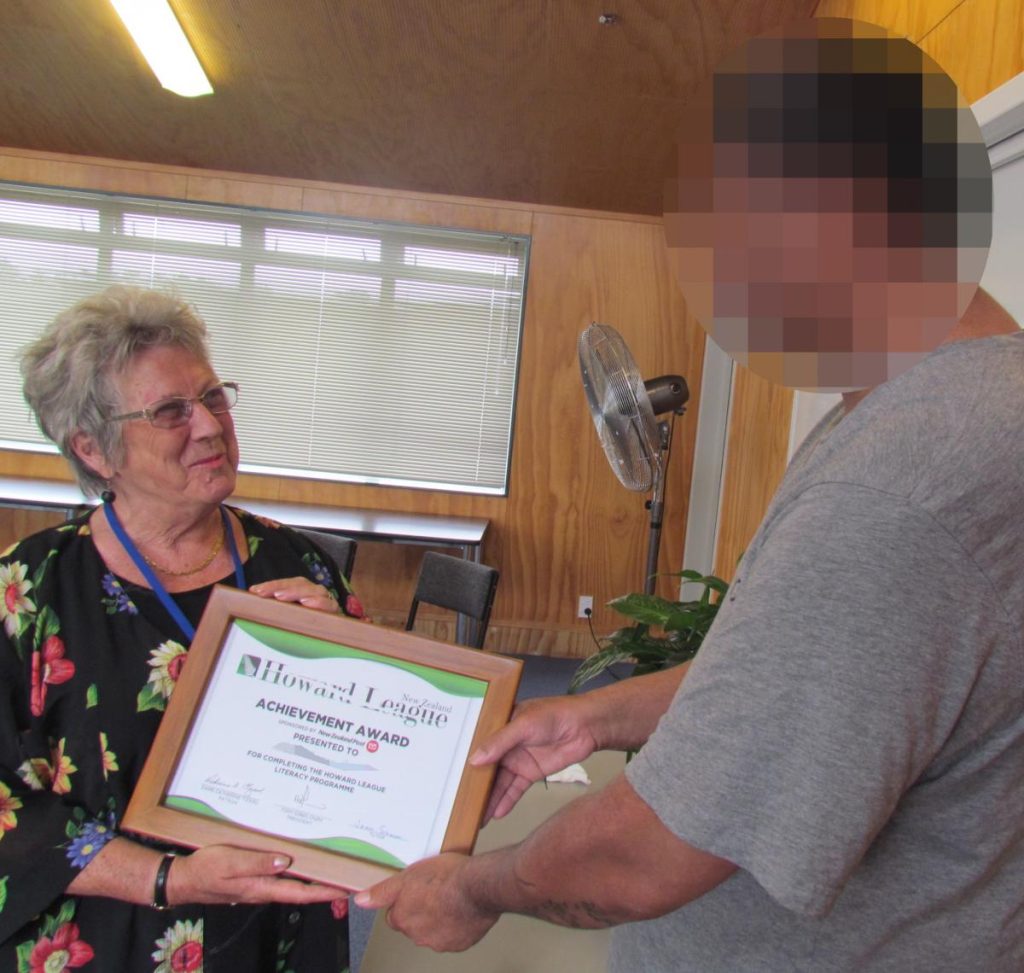
The privilege of volunteering with people who choose to show up
This is worth sitting with for a moment, because it’s easy to miss and it’s genuinely rare.
Every learner our volunteers work with has volunteered themselves – for the programme, for the session, for the support. Nobody is dragged into a room to sit across from a volunteer.
Choosing to attend literacy support or sign up for mentoring is one of the few acts of genuine self-direction available. That’s true for someone whose daily life is dictated, mandated and controlled. That choice matters and changes the entire dynamic of the room.
“The learner has chosen to be there, and so have you.”
There is already excellent education and support happening inside, delivered by education teams, custodial staff, and contracted providers. They do outstanding work, often under difficult conditions and with limited resources. Their programmes form the backbone of learning inside, and they deserve real recognition for it.
What our volunteers offer sits alongside that work, rather than in competition with it. It also has one distinguishing feature: attendance is entirely voluntary on both sides. The learner has chosen to be there, and so have you.
“Motivation is everything …”
That’s not a small thing. If you ask any teacher, they’ll say a motivated room changes everything about what’s possible.
It means the learners we work alongside are invested. They’ve made a decision, in an environment that gives them very few decisions to make. They’ve decided that reading, numeracy, a qualification, or a new skill matters enough to commit their time to it.
Your job as a volunteer isn’t to convince them to care. They already do. Your job is simply to be present, and bring whatever skill or patience or steadiness you have to offer.
That’s the privilege. You are not managing reluctance. You are meeting motivation, often for the first time in a learner’s adult life.
“Learner-centred” isn’t just a buzzword
A lot of organisations use the phrase “learner-centred” as a kind of shorthand, and it can feel like jargon. Inside the wire, it means something very specific and very simple: the whole session exists to serve whatever this particular learner needs, right now.
For some learners, that means going back to basics – letter sounds, sight words. They are the building blocks that were missed somewhere along the way, often through no fault of their own.
Educational disruption, undiagnosed learning differences, chaotic school years, or simply a system that failed to catch them early. These are common threads in the stories of adults in their thirties, forties, or fifties without confident literacy or numeracy.
“For a lot of learners inside, a volunteer mentor is the first person in a long time to consistently show up and expect good things from them.”
Sitting with a learner as they close that gap, one session at a time, is quietly extraordinary work. There is nothing glamorous about it. It is patient, repetitive, and completely worth it.
What a volunteer does
The volunteer’s role shifts toward mentoring for learners enrolled in a structured programme of study. They help someone stay on track. They break down assignments, build study habits. Volunteers also provide the steady, one-on-one encouragement that most of us take for granted when we’re studying on the outside.
A volunteer mentor is, for a lot of learners inside, the first person in a long time to consistently show up and expect good things from them.
For skills-based programmes, the shape of the work depends entirely on what a site has identified as valuable. That might be anything from basic trade skills to budgeting and financial literacy. They might also include digital skills that matter enormously on release, in a world that has moved on since some learners were last part of it.
The constant is this: you are responding to what’s actually in front of you, not delivering a script. That’s what makes it learner-centred, and it’s also what makes it hard, and rewarding, in roughly equal measure.
It’s not always easy – and that’s part of the point
We won’t pretend volunteering with incarcerated learners is straightforward. It isn’t. For example, you might find sessions cancelled at short notice because of a lockdown, a muster, or a security issue. Learners you’ve built a real rapport with can be moved to another site without warning.
“The story is watching someone’s posture literally straighten over a few months of consistent, respectful, learner-centred support.”
The environment itself can be loud, tense, and unpredictable. That has nothing to do with the learning happening in the room. You’ll need to be flexible, patient, and comfortable with uncertainty. Most volunteer roles don’t often ask that much of you.
“The challenges are real, but they’re not the story …”
As part of that, you will have to hold boundaries clearly and consistently, and follow facility protocols without exception. Also, you’ll need to accept that you are a guest inside a system with its own rules, culture and constraints.
In short, none of that is optional, and none of it should be underestimated before you sign up.
But here’s what our volunteers tell us, again and again: the challenges are real, but they’re not the story.
Instead, the story is the learner who finally passed their numeracy assessment after failing it three times before you started working with them. Or the story is the mentor relationship that helped someone finish a qualification they’ll carry with them for the rest of their life. Or it is watching someone’s posture change – literally straighten – over months of consistent, respectful, learner-centred support.
Volunteers are changed by this work
We hear this from almost every volunteer who sticks with the programme: this work changes you.
Many come in expecting to be the one doing the giving: bringing knowledge, patience, and time into an environment that’s short on all three.
Most leave describing something closer to an exchange. They talk about learning to sit with discomfort instead of rushing to fix it. They talk about recalibrating their assumptions about who ends up inside and why. About the sheer range of intelligence, humour, and resilience of incarcerated learners who’ve had few of the advantages most of us take for granted.
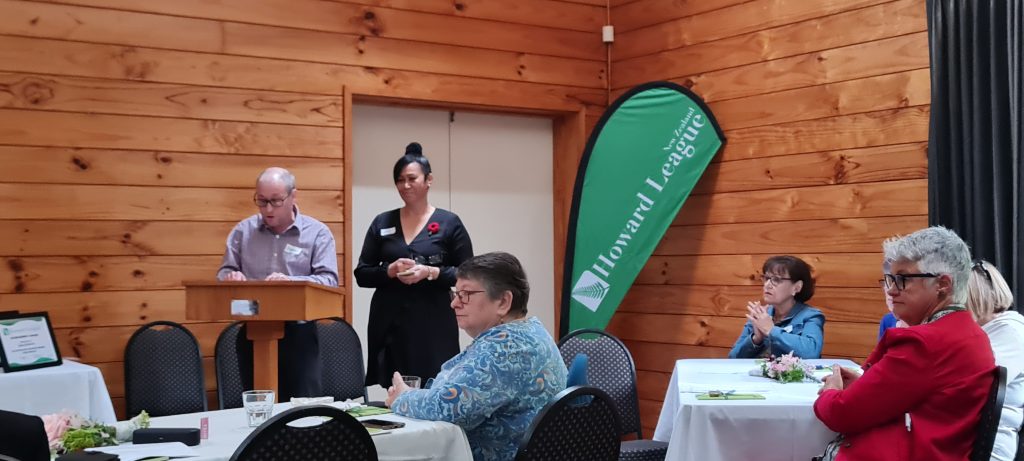
They talk about a kind of patience they didn’t know they had. And a definition of success that shifts, from grades and outcomes toward something more human: showing up, being consistent, being trusted.
Some describe it as the most meaningful volunteering they’ve ever done, because the need and the motivation in the room are real.
The impact of being a steady, skilled, present adult in someone’s life can’t be overstated for people who have often had very few of those in theirs.
If you’re looking for real mahi, volunteering behind the wire might be it
If you’re searching for volunteering that asks something genuine of you and gives something genuine back, volunteering with incarcerated learners is worth serious consideration.
At its heart is an honest exchange. A learner behind the wire has chosen, of their own accord, to try. And a volunteer willing to show up, adapt, and bring their full attention to whatever that learner needs in that moment. No mandate. No coercion. Just two people, doing something real, inside a place that doesn’t often make room for that.
What our volunteers say …
| “He definitely wants to be literate, and he wants to help his boys with their schooling and teaching them solid life skills.” “She has since completed her small business course (with very high marks). I let the site know that I thought she was capable of undertaking university study.” “I love working with [her]. She’s open, smart, focused and good humoured. She’s very easy to give feedback to, and wants to do a good job.” |
What learners say …
| “I wasn’t getting anything from school…I was falling asleep; I used to wag all the time. I left school at 14… [because I went to prison].” “It is embarrassing not to be able to read well… [I know] future… job [prospects] would improve… to change my life… literacy is part of this.” “[I] left school at 12…I had a brain injury. [My reading and writing skills were better before my accident]” “I NEVER want to come back inside prison… [I want to become a] confident reader with good comprehension skills.” |
We can’t promise that volunteering with incarcerated learners will be simple.
However, we can promise it will matter both to the learners you work with and to you as well.
If you’re ready to find out what that looks like at a site near you, get in touch.
We’ll walk you through what’s involved, match you to a role that fits your skills and availability. And support you every step of the way. From your first induction to your first session inside the wire, and beyond.